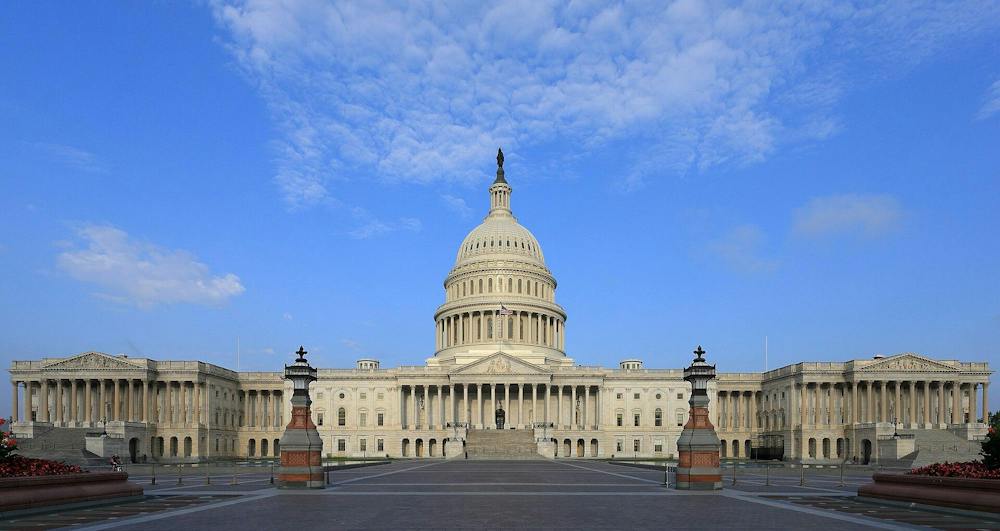
Unlike the United States Senate, the battle for the House has been straightforward since the beginning of the year: Democrats have been seen as the frontrunners to take the gavel. With one week before Election Day, Democrats are looking to expand the map while Republicans are looking to pull off an upset and keep the chamber.
The Math
Currently, the GOP has a 219 to 214 lead on Democrats in the current House makeup with two vacancies that will be filled after the election. Per Race to the White House, Democrats currently has a 92% chance gain the gavel in January compared to the GOP’s 8%. Democrats need only to net four seats to gain control of the chamber.
Throughout the past two years, state legislatures have engaged in redistricting in order to maximize the number of winnable districts for their party: for the Republicans, states such as Texas, Alabama, and Florida changed their maps to help the GOP gain an advantage, while California did the same thing on the Democrat side.
The Races
Cook Political Report projects the Democrats will win 220 House seats and the Republicans will win 198 seats, with 17 toss-up seats. Redistricted states such as Texas, Florida, and North Carolina hold a third of these toss-up districts, where incumbents have competitive races. States with competitive Senate races, such as Iowa, Ohio, and Michigan, have seats where Democratic victories could propel the party to a majority, and the same is true for Republicans. Both parties have chances to win in races where moderate incumbents are retiring, like Jared Golden (ME-02) and Don Bacon (NE-02).
Conclusion
Although Democrats are favored to win the House, the margin of the majority for will determine how much work the new Congress get done.